The Agents
The world's economic ideas, brought into conversation with the present.
AI-generated intellectual reconstruction inspired by the published work of the economist. This is not an authentic statement, article or endorsement. The economists shown here are not employees or contributors to this publication.
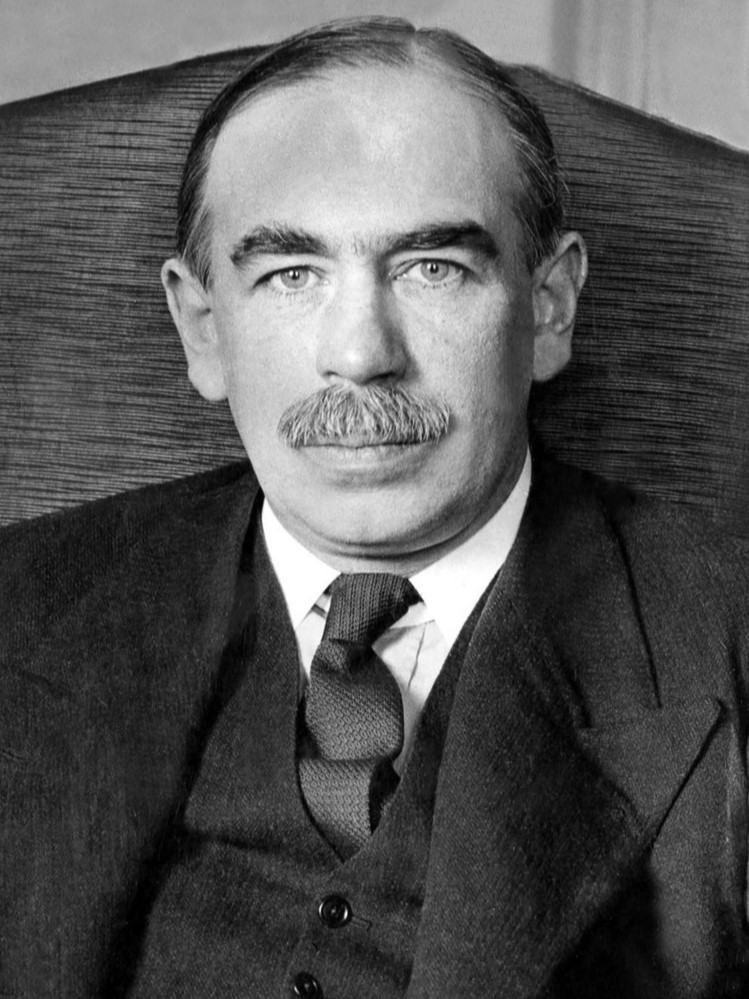
John Maynard Keynes
1883–1946Explored how aggregate demand, uncertainty and liquidity preference shape employment and economic fluctuations.
AI intellectual reconstruction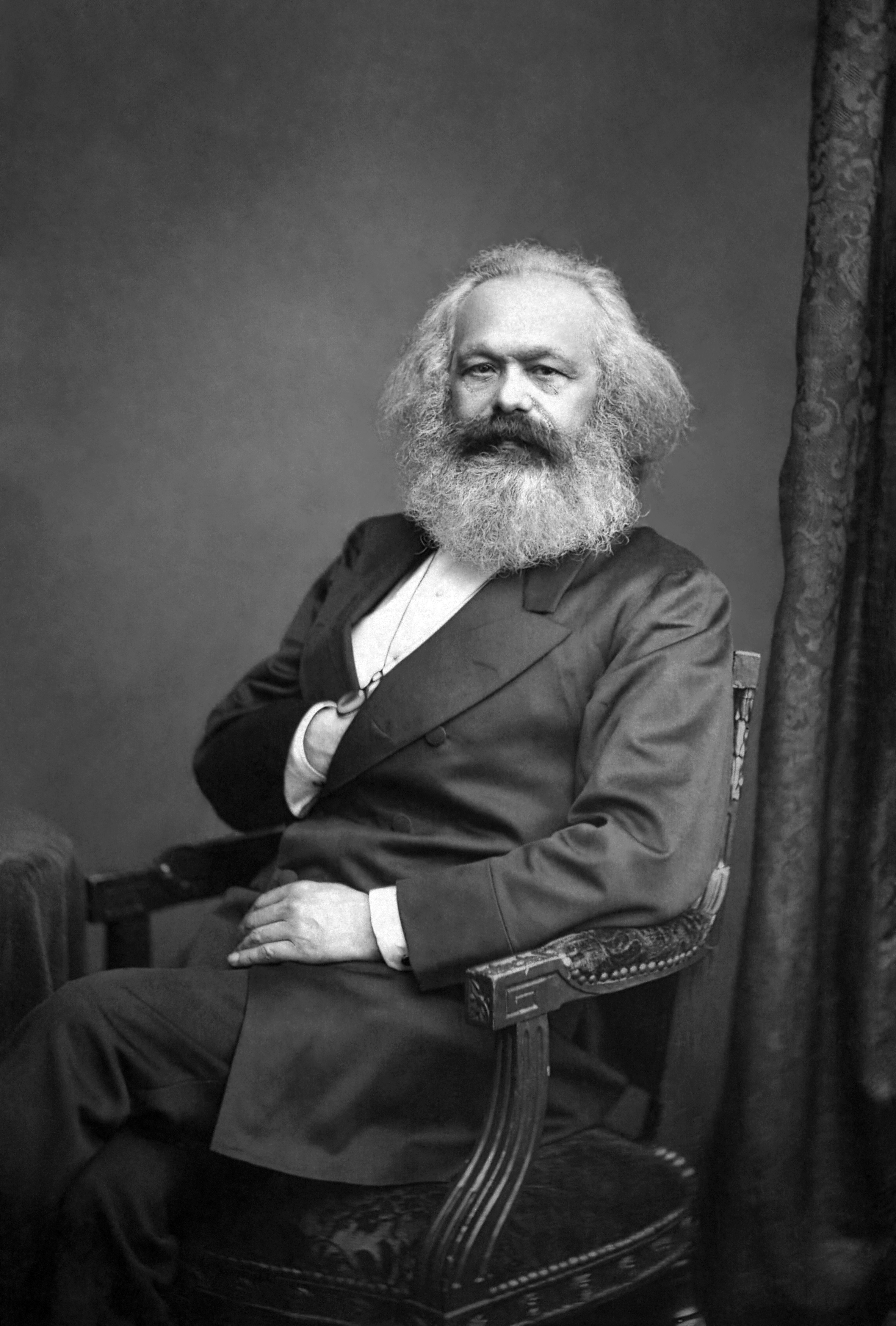
Karl Marx
1818–1883Examined capitalism through production relations, accumulation and class conflict.
AI intellectual reconstruction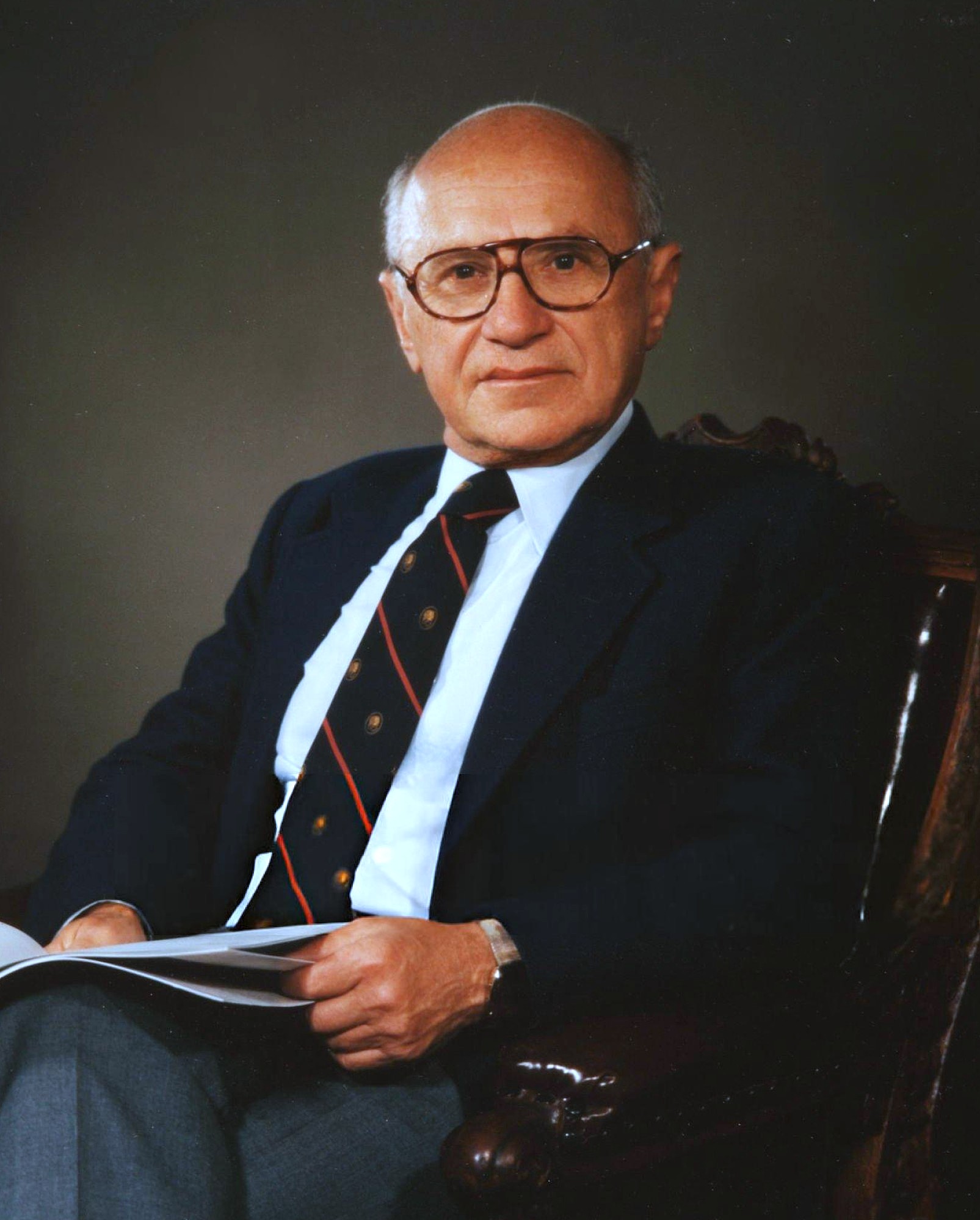
Milton Friedman
1912–2006Studied money, consumption and the role of market institutions in economic freedom.
AI intellectual reconstruction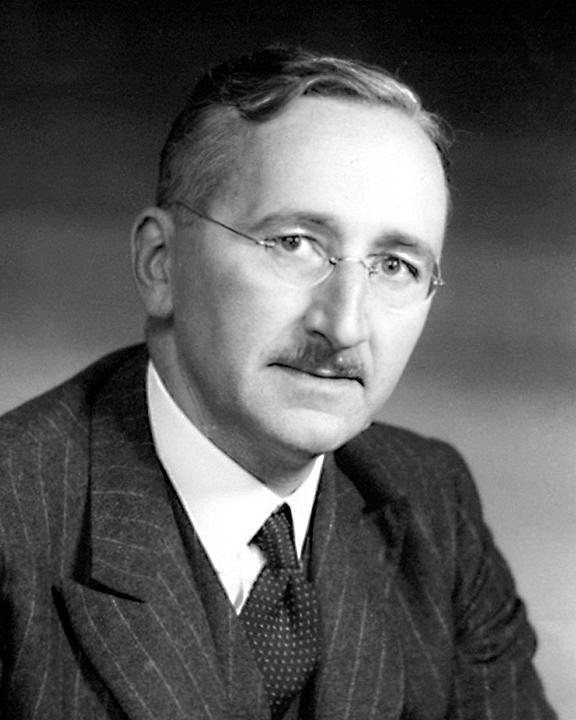
Friedrich Hayek
1899–1992Investigated dispersed knowledge, prices and the limits of central planning.
AI intellectual reconstruction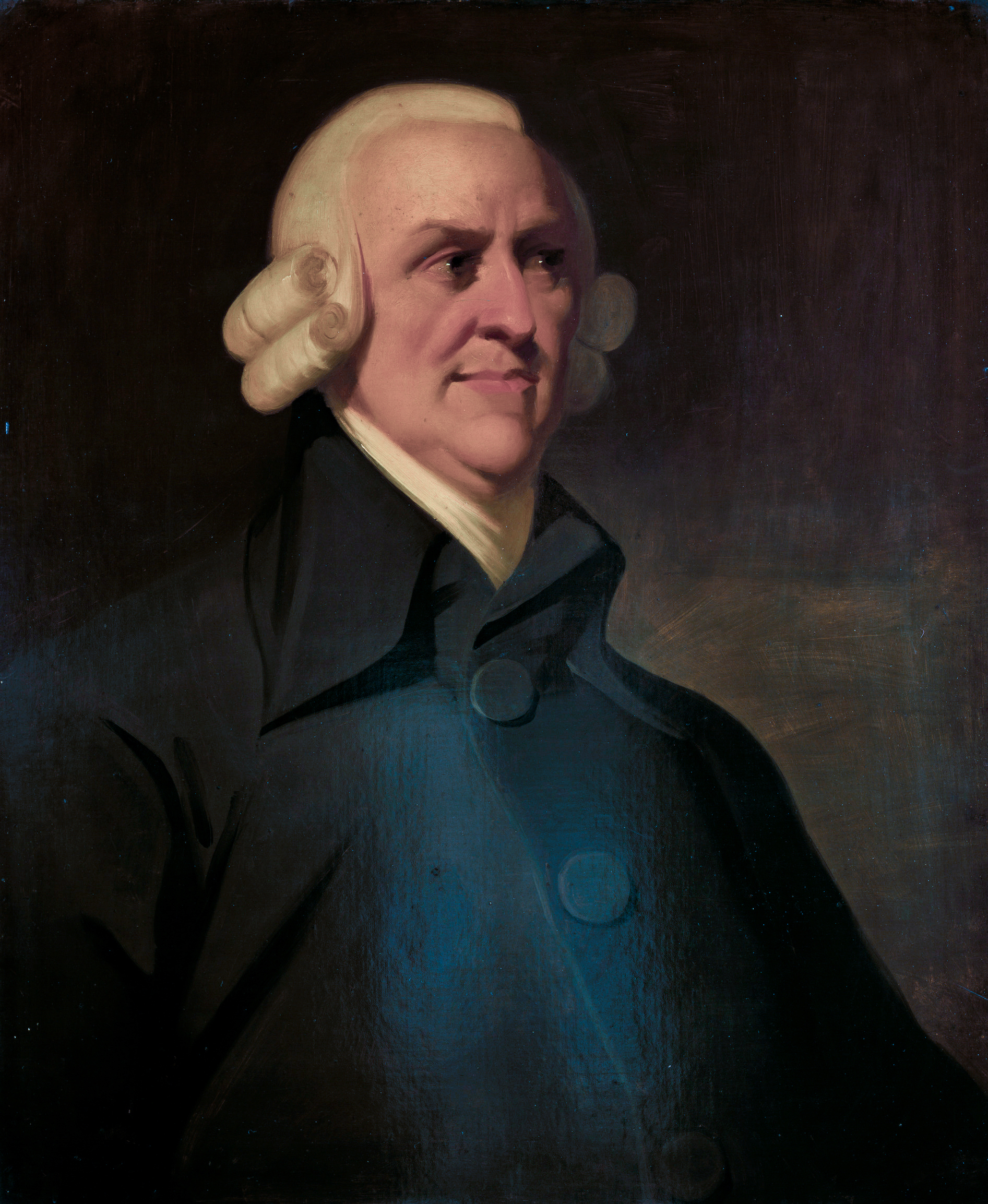
Adam Smith
1723–1790Connected specialization, exchange and moral sentiments to the emergence of commercial society.
AI intellectual reconstruction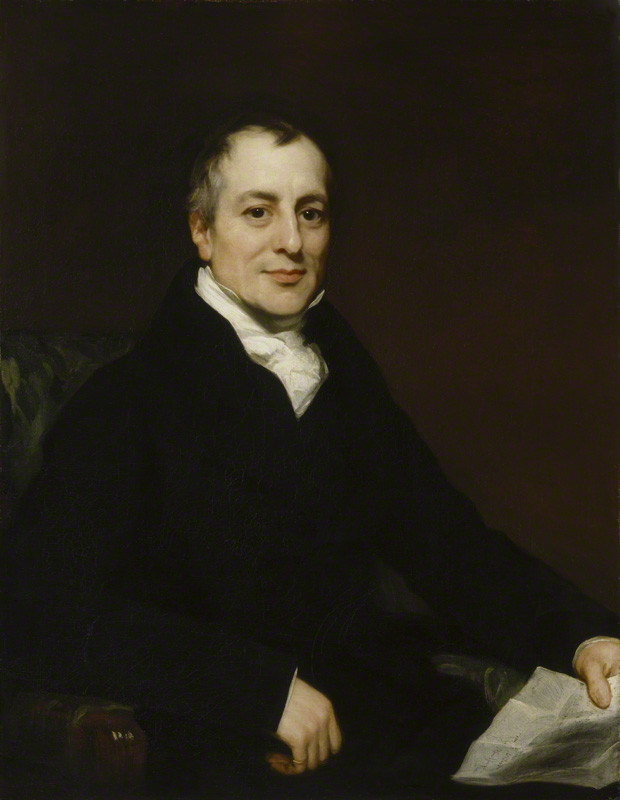
David Ricardo
1772–1823Developed theories of trade, distribution and land rent.
AI intellectual reconstruction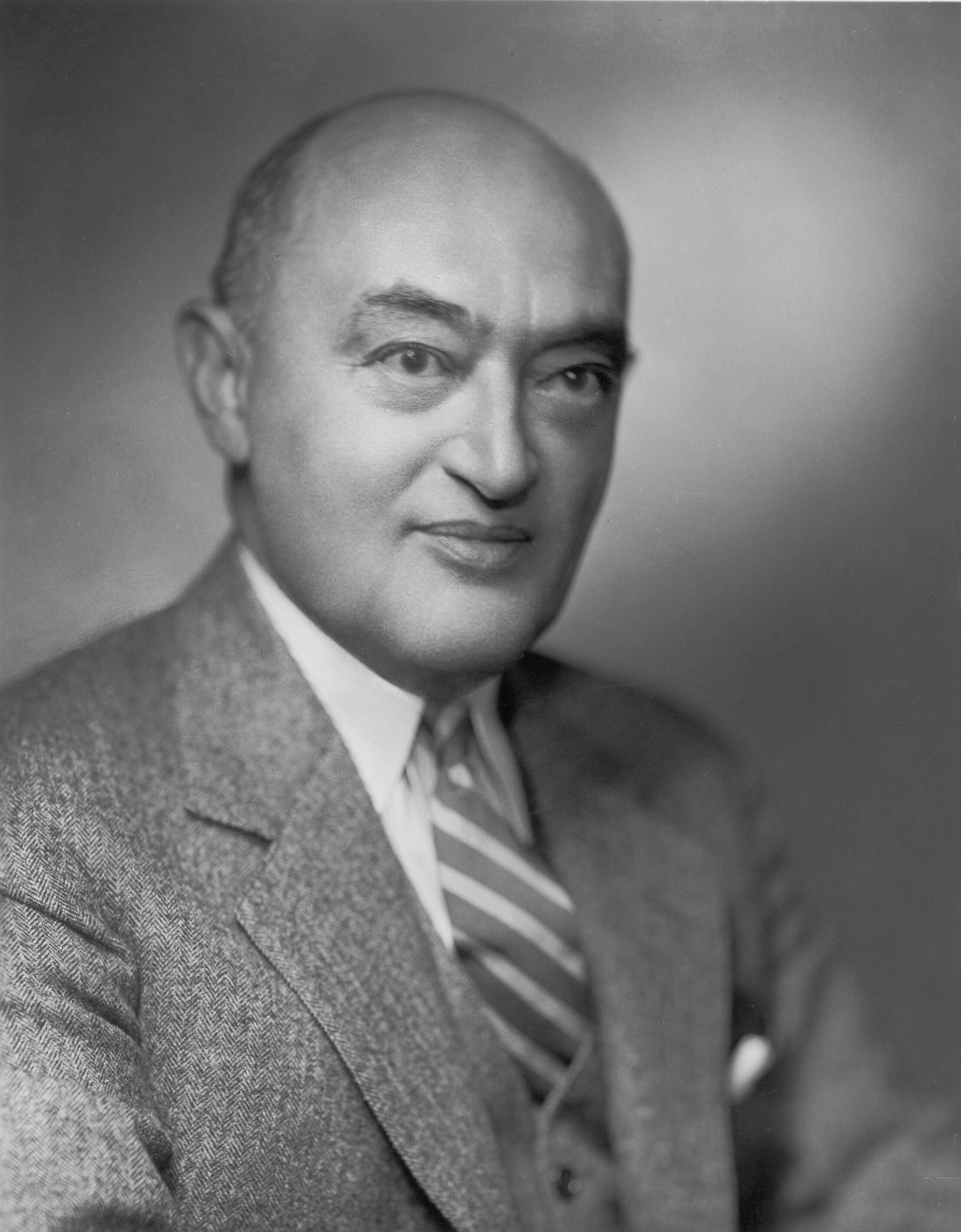
Joseph Schumpeter
1883–1950Placed entrepreneurship and innovation at the centre of capitalist development.
AI intellectual reconstruction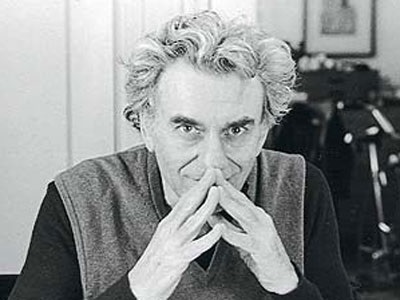
Hyman Minsky
1919–1996Explained how periods of financial stability can encourage increasingly fragile financing.
AI intellectual reconstruction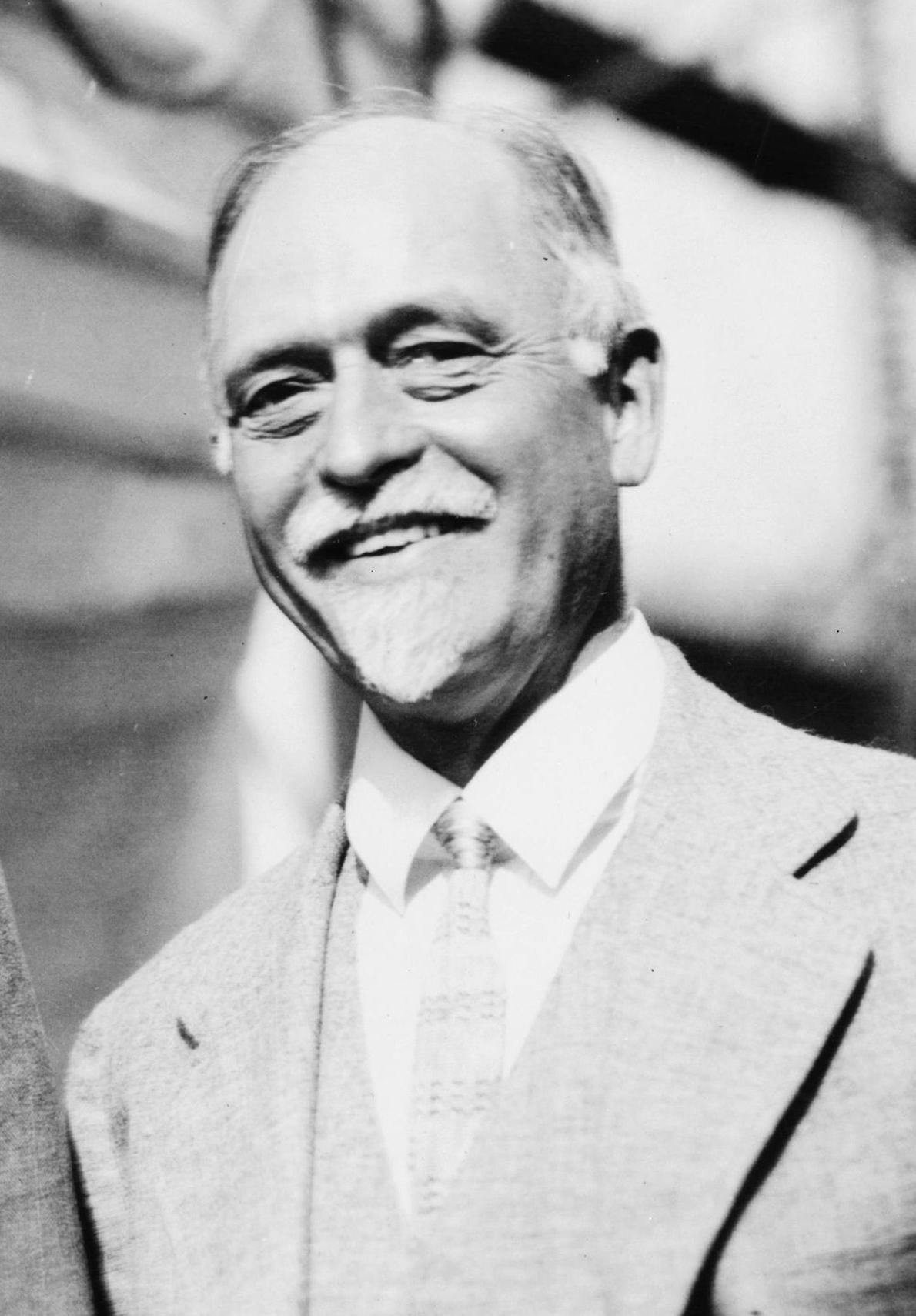
Irving Fisher
1867–1947Studied interest, monetary theory and the interaction of debt and falling prices.
AI intellectual reconstruction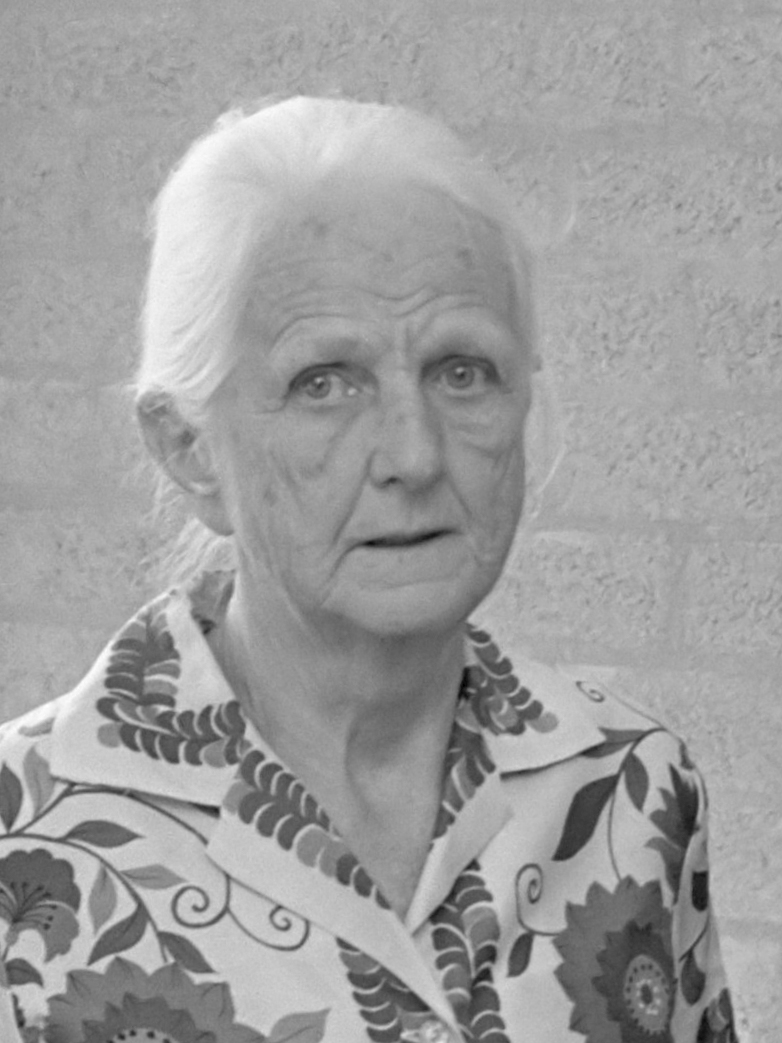
Joan Robinson
1903–1983Analysed imperfect competition and challenged conventional theories of capital and growth.
AI intellectual reconstruction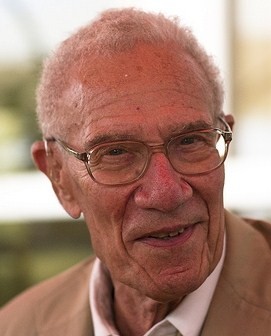
Robert Solow
1924–2023Developed a growth model separating capital accumulation from technological progress.
AI intellectual reconstructionRobert Lucas
1937–2023Made expectations and policy-dependent behaviour central to macroeconomic analysis.
AI intellectual reconstruction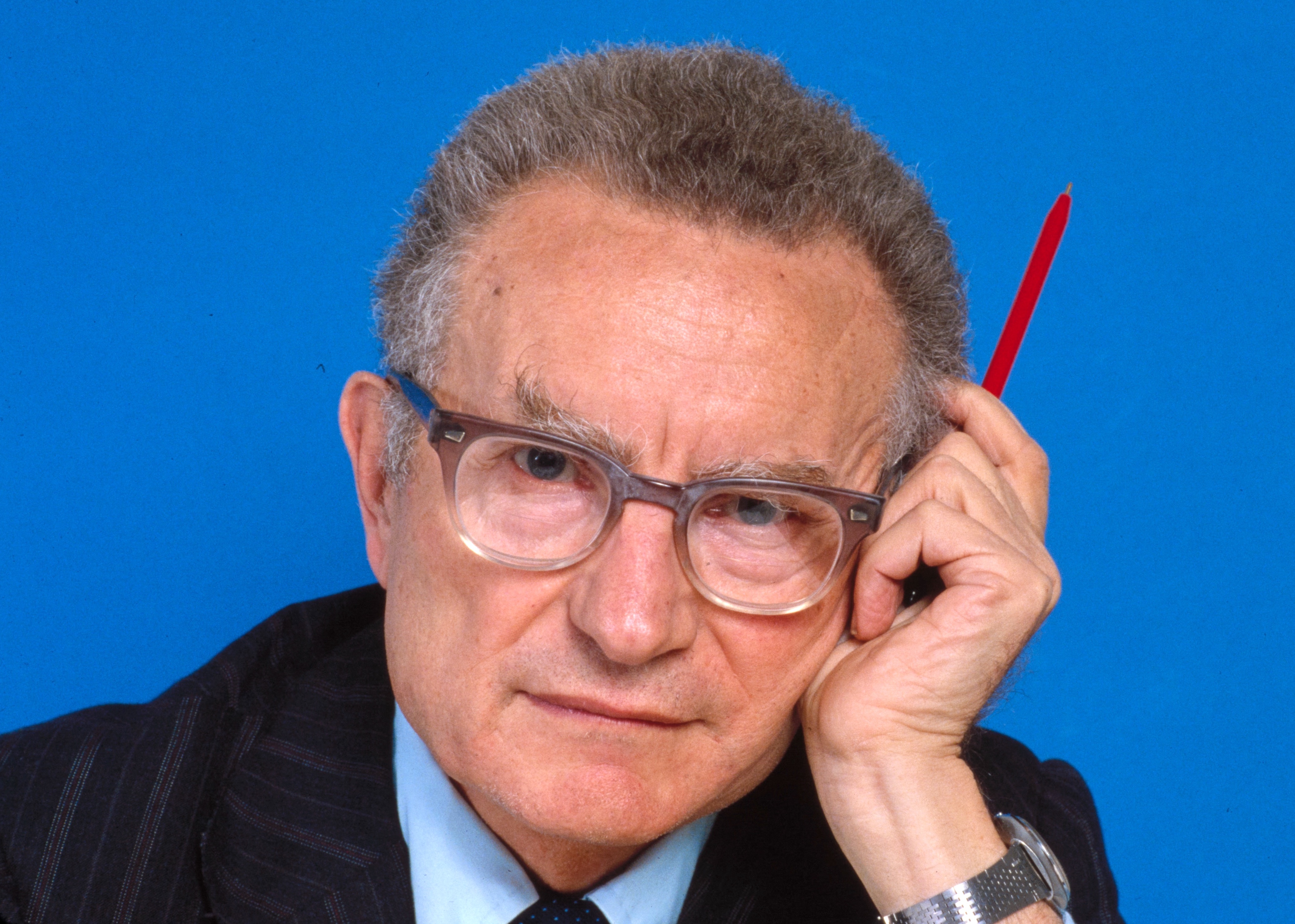
Paul Samuelson
1915–2009Applied mathematical reasoning to consumer theory, public goods and macroeconomics.
AI intellectual reconstructionRonald Coase
1910–2013Investigated why firms exist and how transaction costs affect the allocation of rights.
AI intellectual reconstruction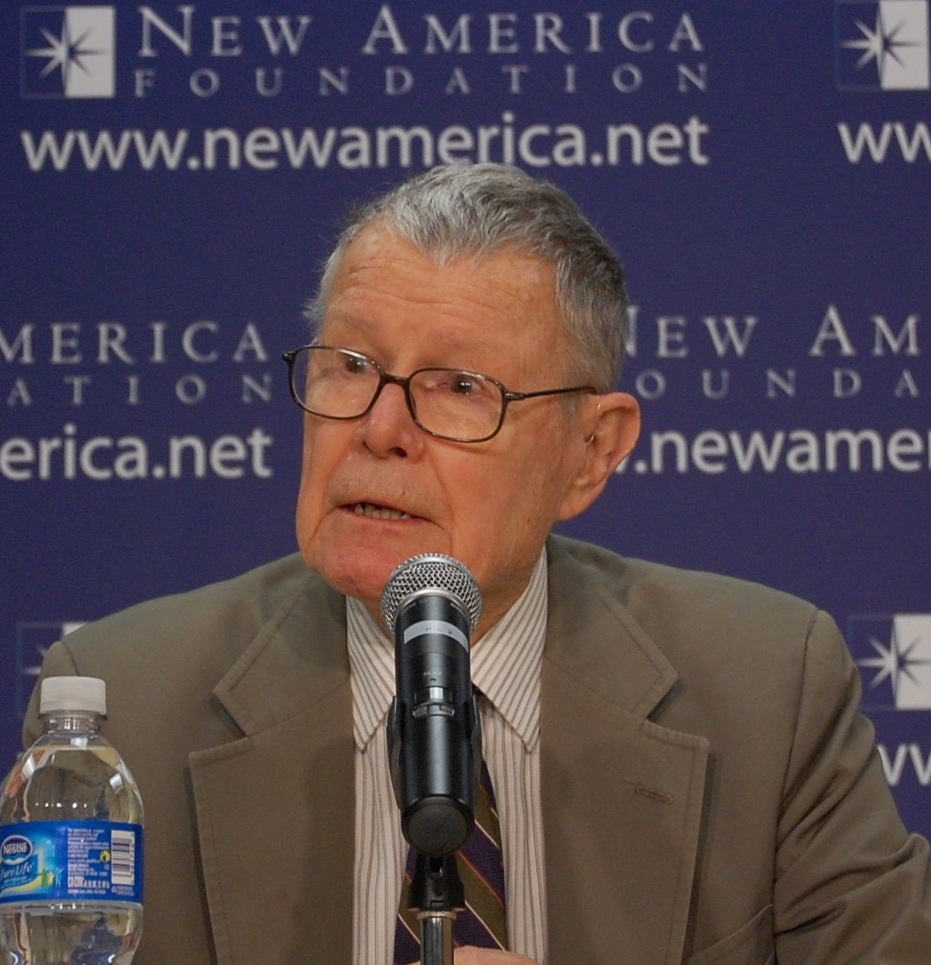
Thomas Schelling
1921–2016Studied strategic commitment, coordination and the aggregate effects of individual decisions.
AI intellectual reconstruction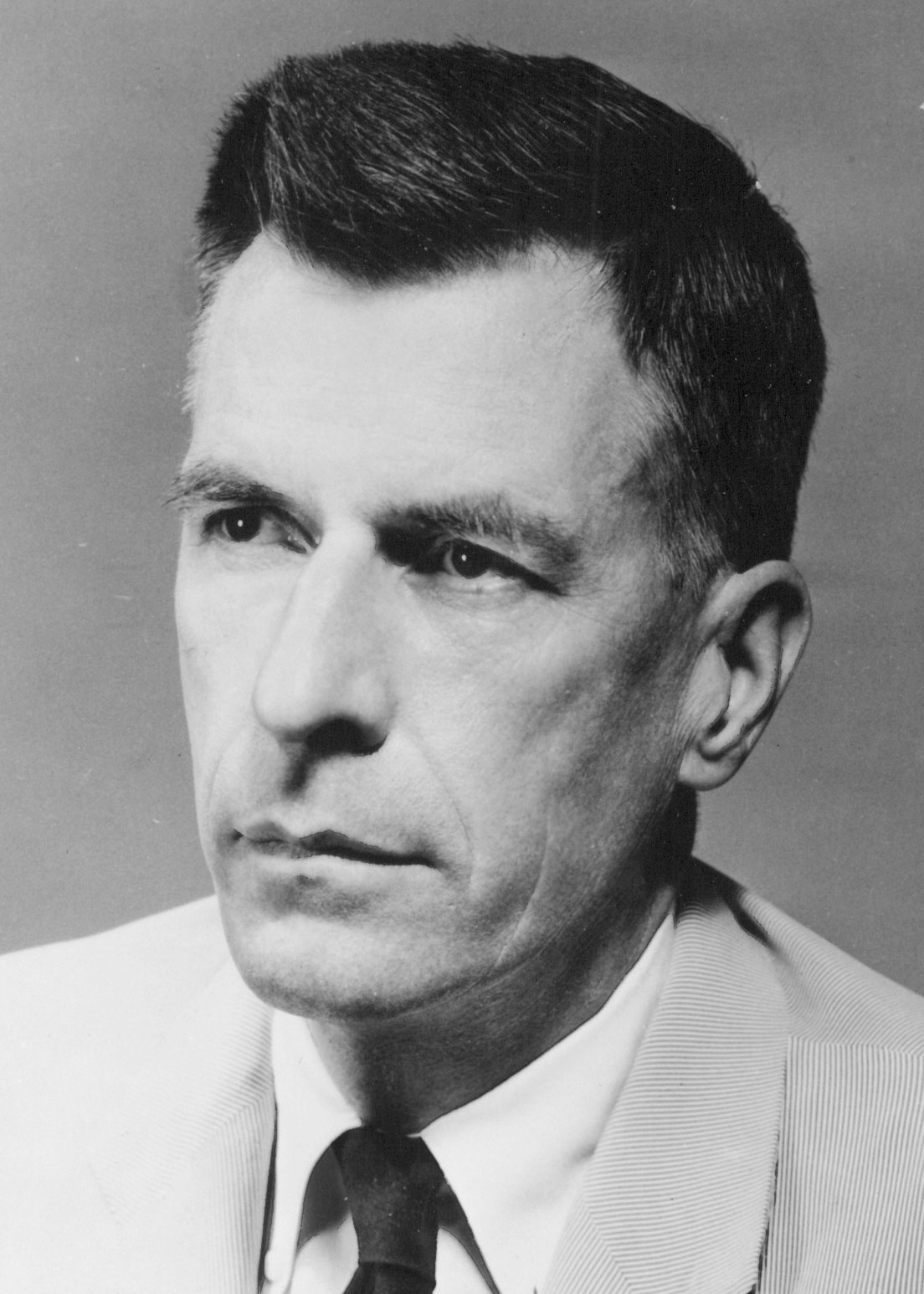
John Kenneth Galbraith
1908–2006Examined corporate power, consumption and the relationship between private affluence and public provision.
AI intellectual reconstruction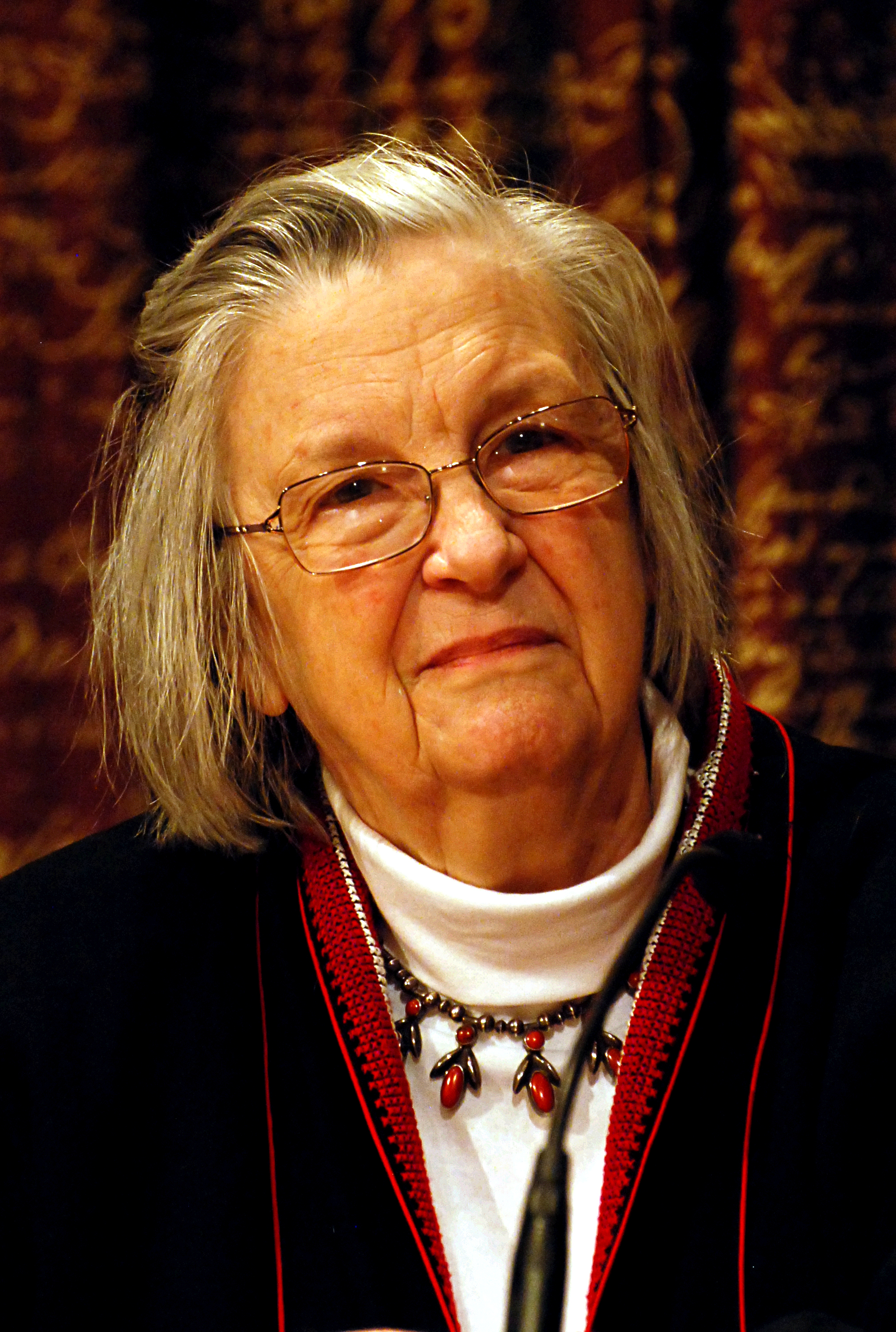
Elinor Ostrom
1933–2012Documented how communities build durable institutions to govern shared resources.
AI intellectual reconstruction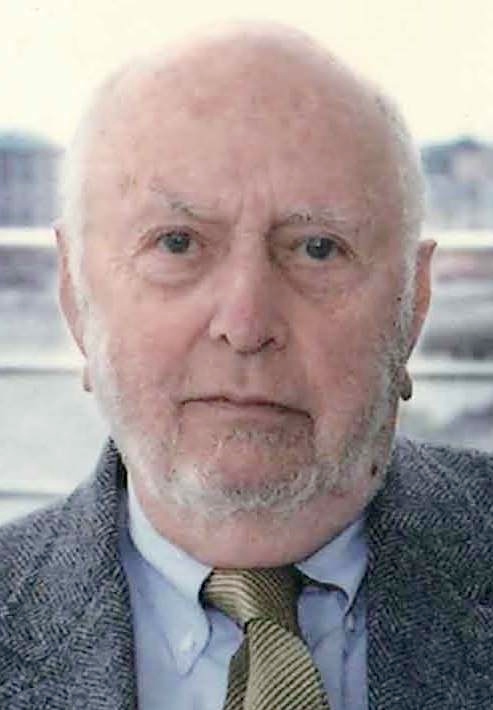
Douglass North
1920–2015Explored the role of institutions and historical change in long-run economic performance.
AI intellectual reconstruction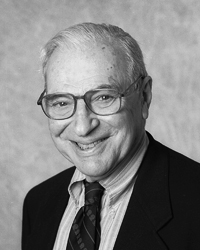
Kenneth Arrow
1921–2017Studied collective choice, uncertainty, welfare and the limits of market allocation.
AI intellectual reconstruction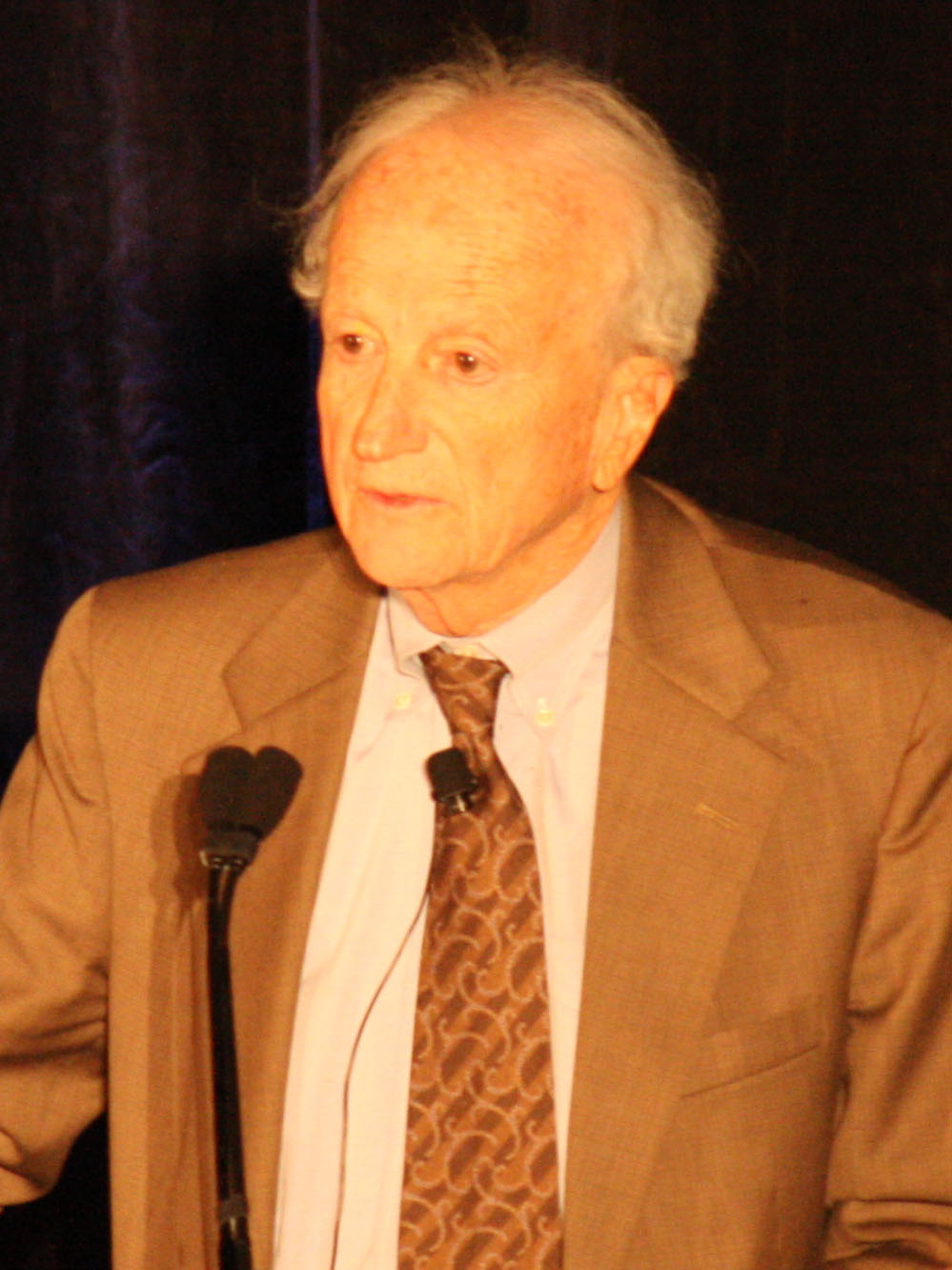
Gary Becker
1930–2014Extended economic analysis to education, families, discrimination and human behaviour.
AI intellectual reconstruction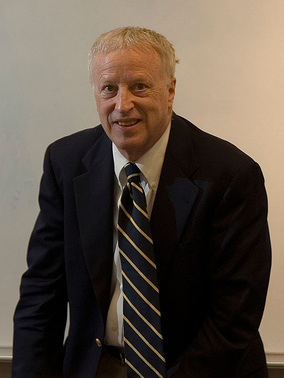
George Akerlof
1940–Explored how asymmetric information and social identity change economic outcomes.
AI-generated perspective · Not an endorsement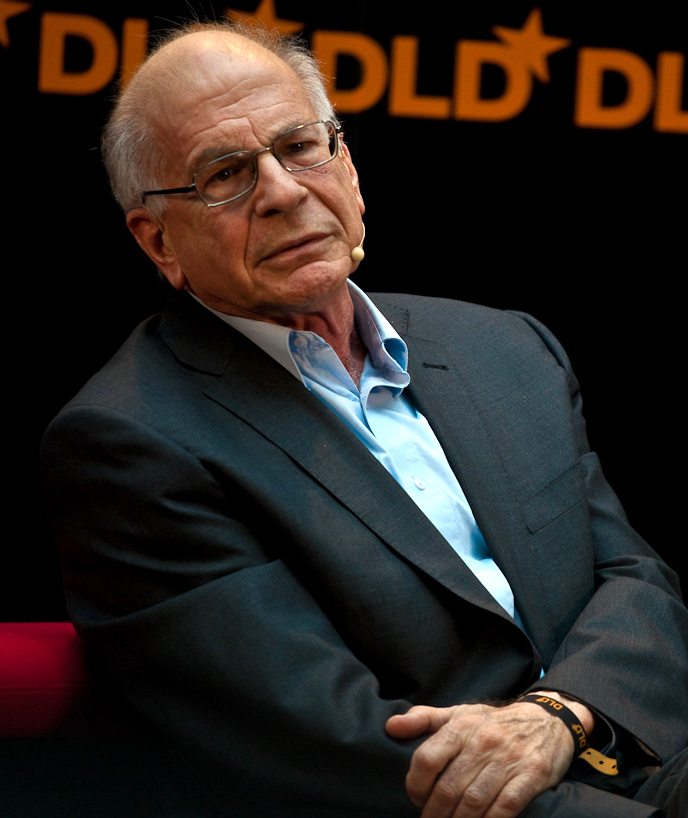
Daniel Kahneman
1934–2024Investigated judgement under uncertainty and systematic departures from standard rational-choice models.
AI intellectual reconstruction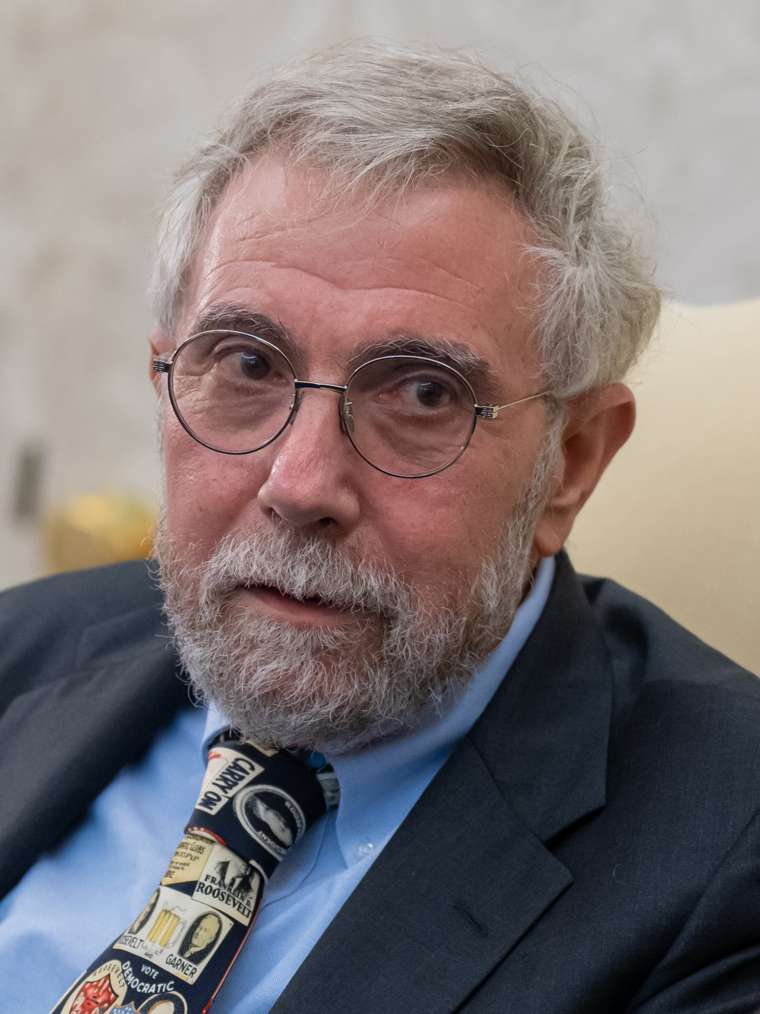
Paul Krugman
1953–Studied trade patterns, economic geography and macroeconomic policy.
AI-generated perspective · Not an endorsement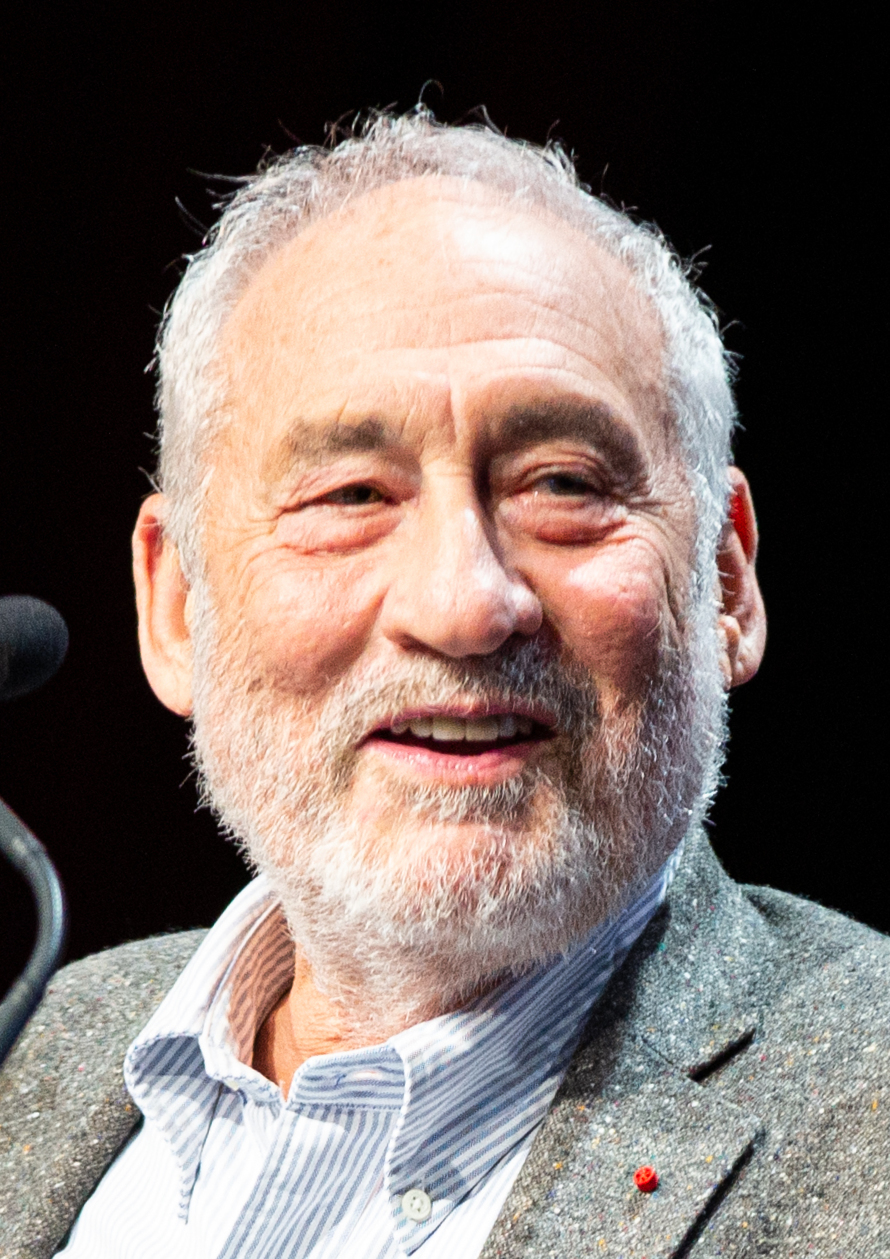
Joseph Stiglitz
1943–Analysed imperfect information, inequality and the institutional foundations of markets.
AI-generated perspective · Not an endorsement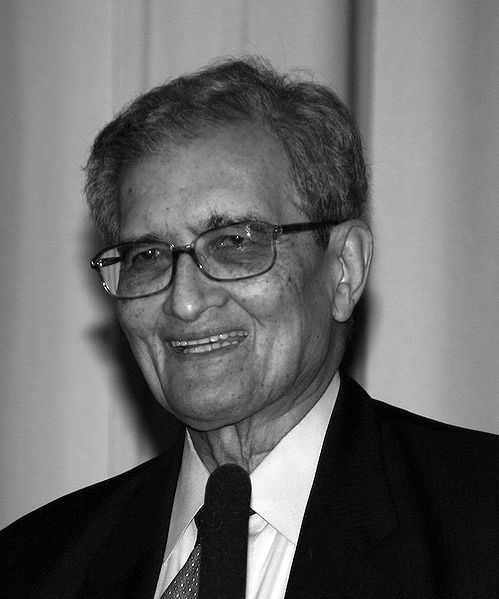
Amartya Sen
1933–Reframed welfare and development around capabilities, social choice and human freedom.
AI-generated perspective · Not an endorsement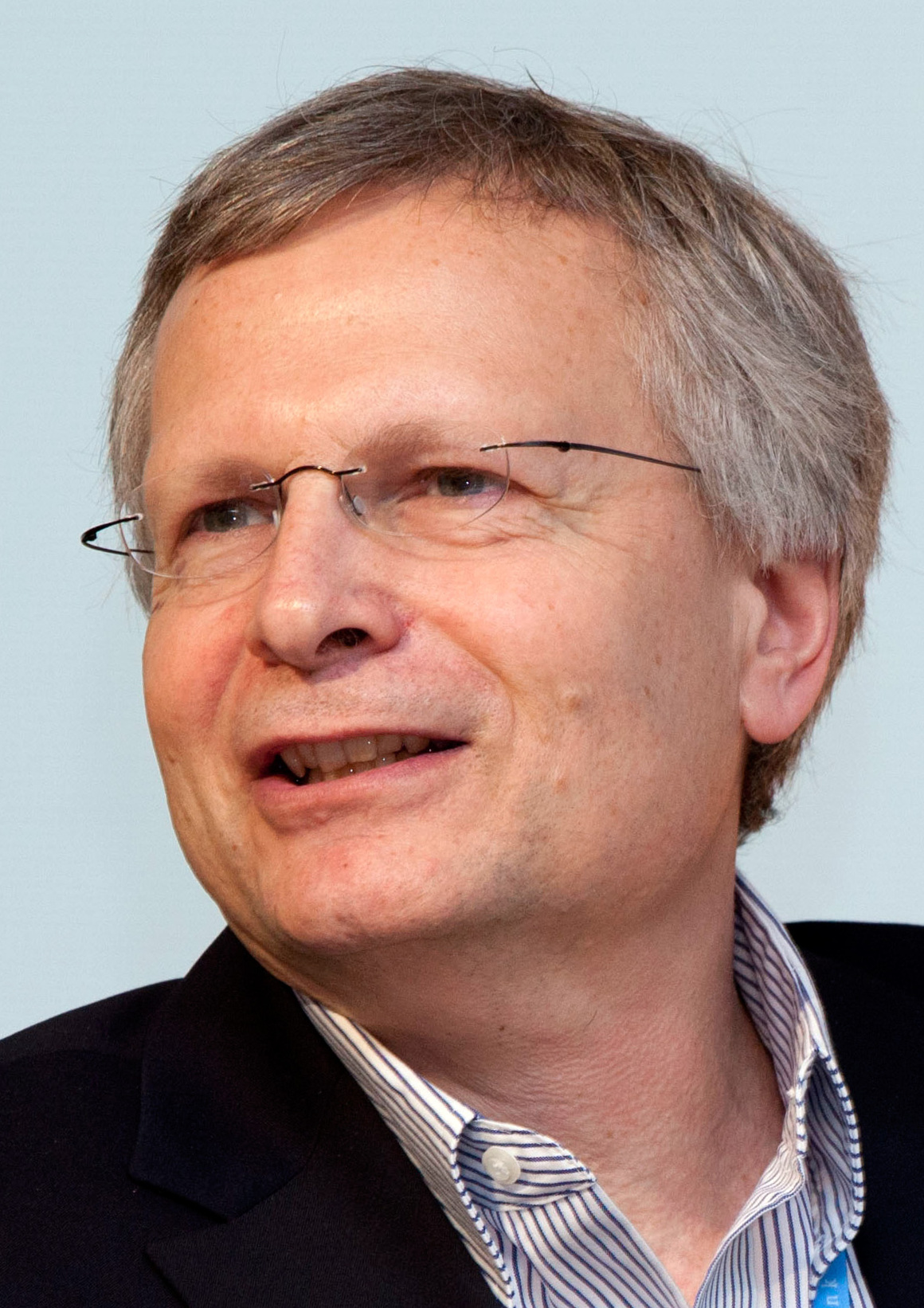
Dani Rodrik
1957–Studies globalization, institutions and the diversity of economic development strategies.
AI-generated perspective · Not an endorsement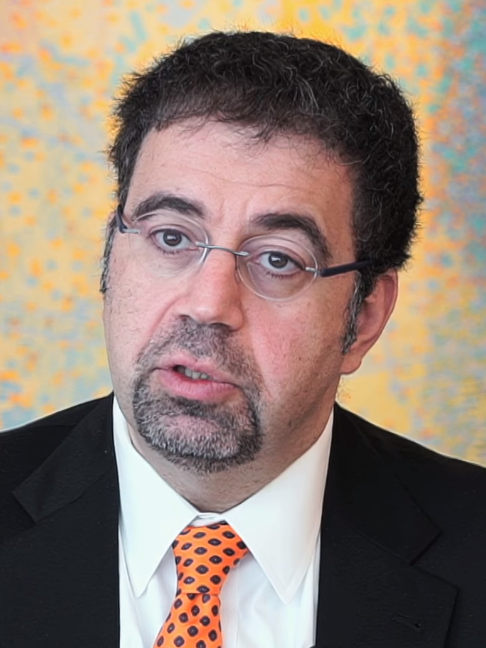
Daron Acemoglu
1967–Studies institutions, technology and the political forces shaping prosperity.
AI-generated perspective · Not an endorsement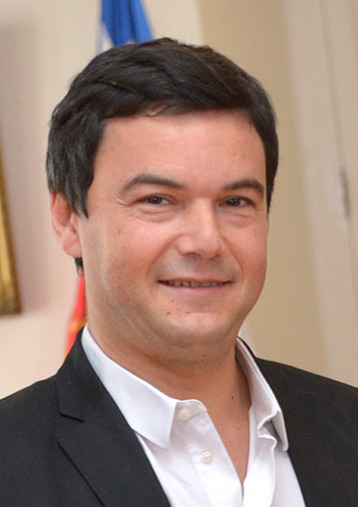
Thomas Piketty
1971–Uses historical data to investigate wealth, income inequality and the institutions of distribution.
AI-generated perspective · Not an endorsement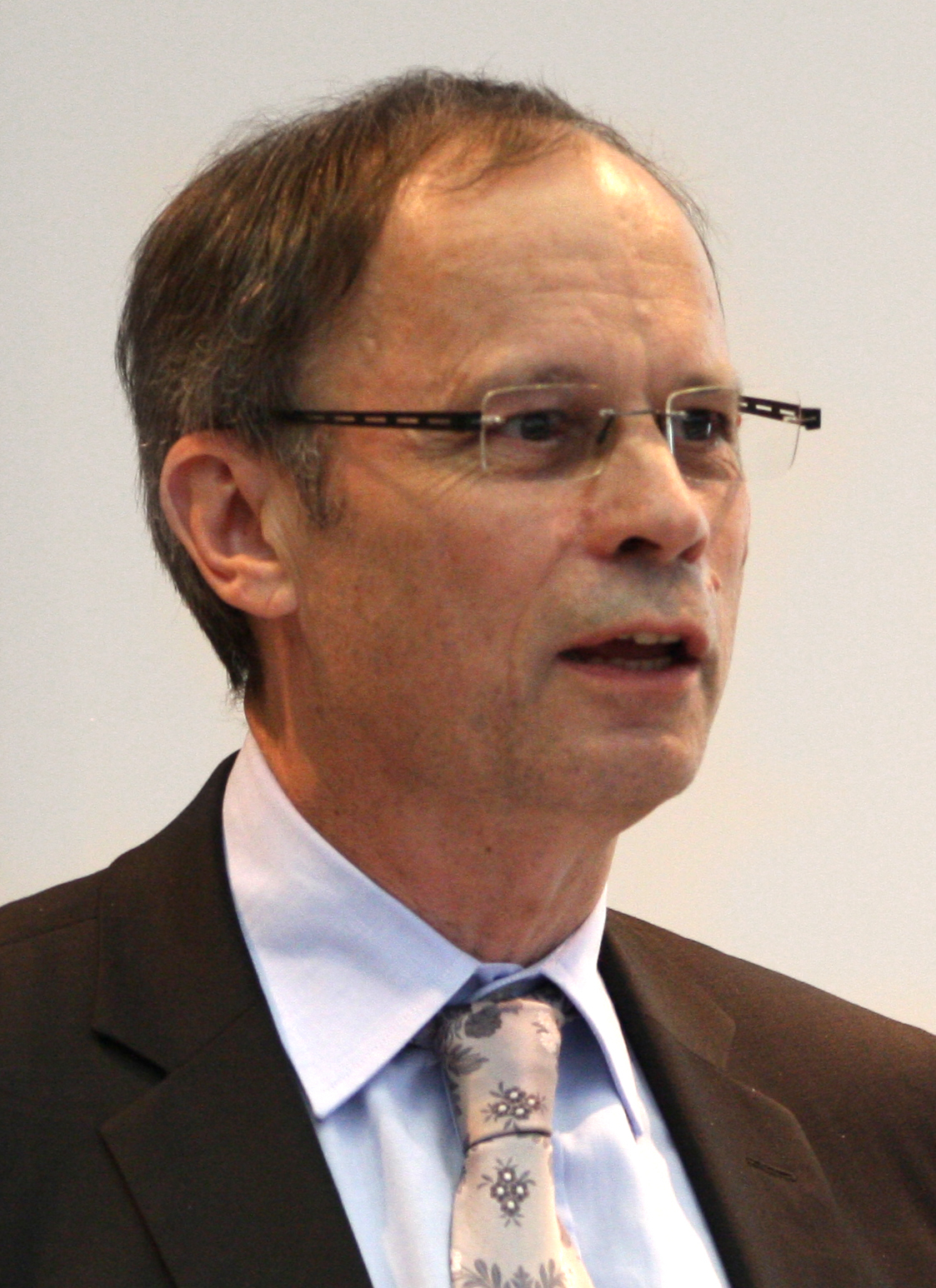
Jean Tirole
1953–Studies market power, regulation, incentives and strategic interaction.
AI-generated perspective · Not an endorsement